Every now and again, one needs a reality check. Since I keep myself attuned to what’s going on in the country and in the world, I don’t often have to go too far to find one. I recently posted a photocopy of a newspaper clipping about an execution by beheading I witnessed on April 3, 1981, while living and working in Riyadh, Saudi Arabia. It took place just after noonday prayers on their holy day, which is Friday, in a place we all knew as “chop square” adjacent to a large mosque in the city.
Deera (Chop) Square – Riyadh, Saudi Arabia
Everyone knew an execution or a stoning was about to take place since the police were busy clearing away all the cars that were normally parked in the large open square. Thousands circled the site that had been cordoned off, they came from the local shopping areas and from the mosque. I was visiting the central part of the city doing some shopping myself as it was our day off. Looking back, I think I remained because in my mind something so barbaric would never actually take place. The scene was surrealistic.
I was wrong. The two men convicted and sentenced to beheading were actually two police officers who had raped a man at gunpoint. At the designated hour, the men were taken from the back of a police van and made to kneel after their gutras (headscarves) were removed. To me, the men looked as though they’d been drugged. At this point, the Sayyaf – the swordsman – moved to the side of each man and performed the two beheadings, one after the other.
Not the actual scene reflected in the newspaper clipping
The execution was both horrific and educational. I was a first-hand witness to this base form of human behavior. Many of those men, surrounding the site, had pushed through the crowd to the front in order to have a better view of the execution, now came rushing back through the crowd unable to keep from vomiting along the way.
A big and recent news item has centered on Pete Hegseth’s plan to have Nidal Hasan publicly executed by firing squad for murdering 13 people at Fort Hood, in Texas. We haven’t had a public execution in the United States since 1936. The memory of seeing the beheadings came home to roost. Then I was struck by the irony that so many MAGA adherents and far right-wing followers are terrified over the idea that elected public officials who are Muslim will somehow convert our system of law to that of Sharia law – something that would never happen. How can these same people be so willing to stop Sharia law from being a thing in this country in its tracks be so willing to allow the reintroduction of the kind of event that is commonplace in a country that is run by Sharia law?
So, I posted a copy of that newspaper clipping and verbalized my thoughts about that irony and was immediately gifted with that very solid reality check. MAGA and their ilk, once again, showed their true colors. First, many abjectly failed to see the connection – I shouldn’t really be surprised. Second, then followed the Ad Hominem labels: twatwaffle, libtard, left-wing moron, jerkoff – nothing new in all that. It just proves the research that shows such people are on the lower end of educated society. Third, they seemed to think I didn’t want Mr. Hasan executed – nothing could be further from the truth. I believe in capital punishment – not as our society currently has it – which allows for such punishment after convictions obtained from evidence that convinced a jury beyond reasonable doubt. Given the many examples of human failure by executing innocent people, I’d love to see the law changed to allow for execution from evidence that is beyond ALL doubt. But, as to public execution, it would be another form of retrograde in the demise of American behavior…and of human behavior in general.
I am a conservative in matters pertaining to fiscal responsibility but liberal in securing human rights for all people, something MAGA would willingly deny to many segments of our society for no other reason than they can’t see past black or white sides of a situation or have the intelligence to absorb the subtleties between the two.
In late 2016, I posted that Donald Trump was not the person you wanted leading the country. I’d worked for real estate developers from New York and I knew, very well, the type of individual Trump was. I woke up on the morning of January 20, 2017, to find Trump had been elected. That felt about as surreal to me as the beheadings were 36 years earlier. I was prompted to write a blog post shortly thereafter in which I claimed that January 20th was, in my mind, The Day America Died. I hate to think this, but nearly ten years later, I think many would agree with me.
P.S. Though it seems the public execution of Nidal Hasan will not be held, we still edged too close to the precipice. It also seems, the Kingdom of Saudi Arabia maintains they no longer hold public executions – I remain dubious.
Give me a follow by clicking the blue button at the top right under the banner…
Today I’m going to piss off some people. Why, because I’ve watched, for years now, the insane ramblings of MAGA, Christian Nationalist adherents, and White Supremacist Organizations. All are either political movements or attempting to influence societal sensitivities. They tend to overlap and cross pollinate each other.
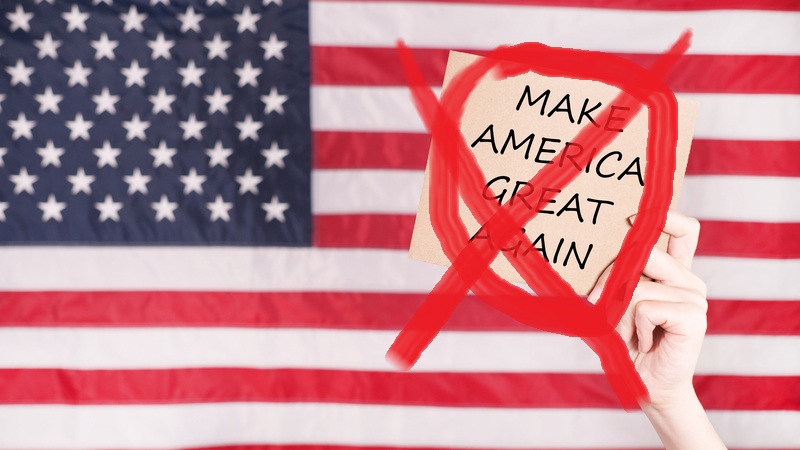
For today though, let’s start with MAGA – the Make America Great Again supporters. The Statista MAGA Support Tracker puts the number of followers at around 19% of U.S. adults (roughly 51 million people ) while a Quinnipiac University poll put the number closer to 32% of general voters (roughly 56 million people). Either way you look at it, that’s a lot of people, upwards of 16% of the total population of the United States.
You have to look at the generally accepted core beliefs attributed to the typical MAGA supporter. Here are six of the most popular:
1 – They believe in America First with a focus on domestic problems and shunning international pacts or engaging in foreign wars.
2 – Economic policies such as favoring tariffs and schemes to restore American manufacturing.
3 – Immigration Controls – tightening the southern border with a physical wall, shedding the country of illegal immigrants, and a robust program of deportations.
4 – They favor a return to what is considered past ideologies surrounding traditional family values and gender roles. The word progressive is distasteful to them.
5 – They are generally distrustful of media sources, traditional politicians, and federal regulations.
6 – They hate anything which would seem to diminish American Nationalism.
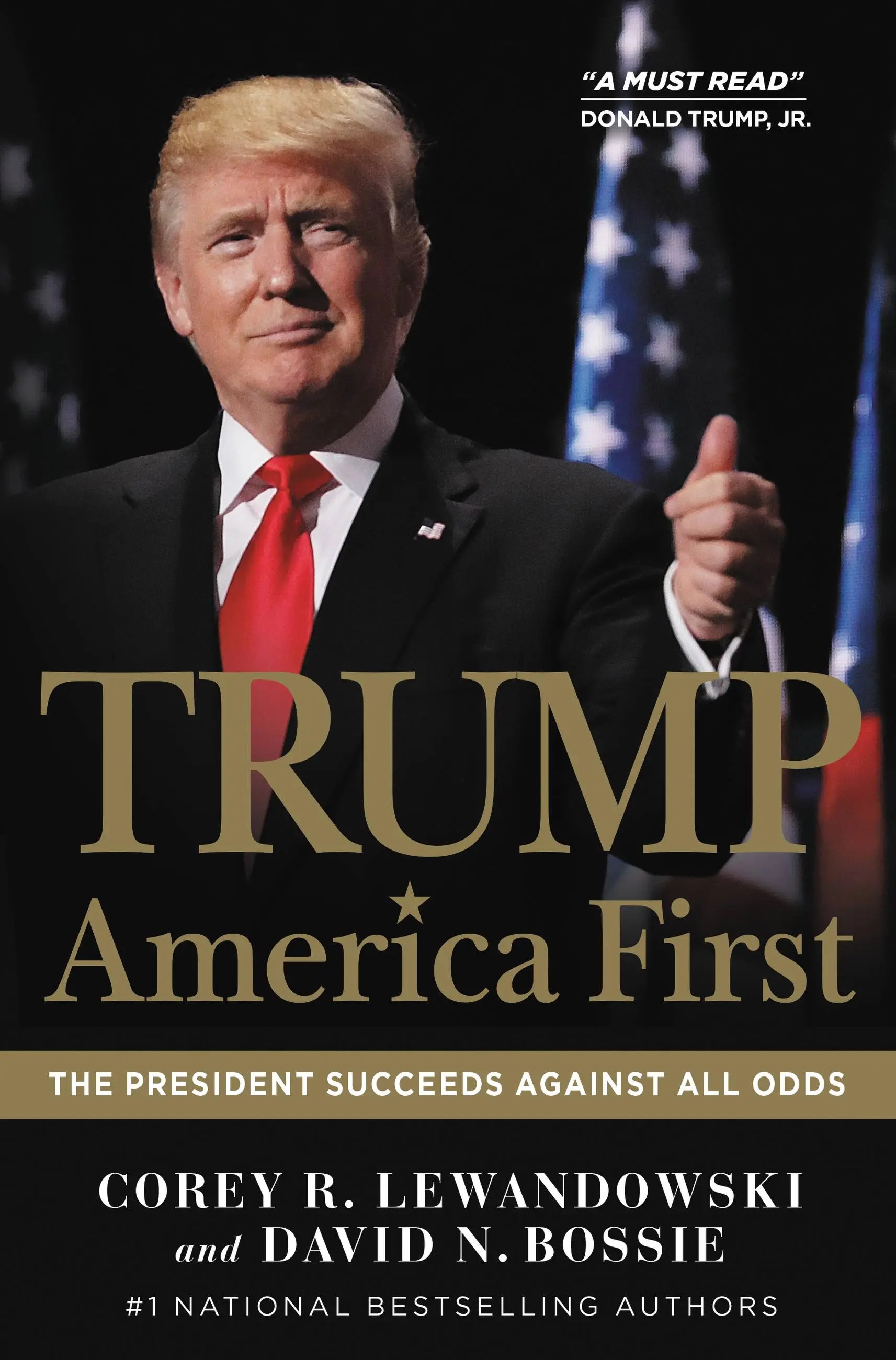
And of course, MAGA views Trump as the savior who will create this new utopia for them all. I recall an elderly couple buying a book on Trump at Barnes & Noble who asked me why they knew he was going to win. I shook my head. They said because he’s been appointed by God. I kind of felt the earth shake under my feet.
We must look at the destructive nature of the core beliefs I’ve outlined.
1 – A firm belief in America First is a narrow worldview. That’s not to say we shouldn’t do things to protect our economy and the health and welfare of our citizens, but we also occupy a firm footing on the world stage. To strictly adopt the former while ignoring the latter is simply to invite the diminishment of our global influence in favor of allowing other national ideologies from exporting their influence to our detriment both in trade and as threats to our ideal of democracy. We must engage in international discussions and alliances and protect our monetary dominance. Without that, the economy we love to boast about will come crashing down around us. It would set our country back a hundred years.
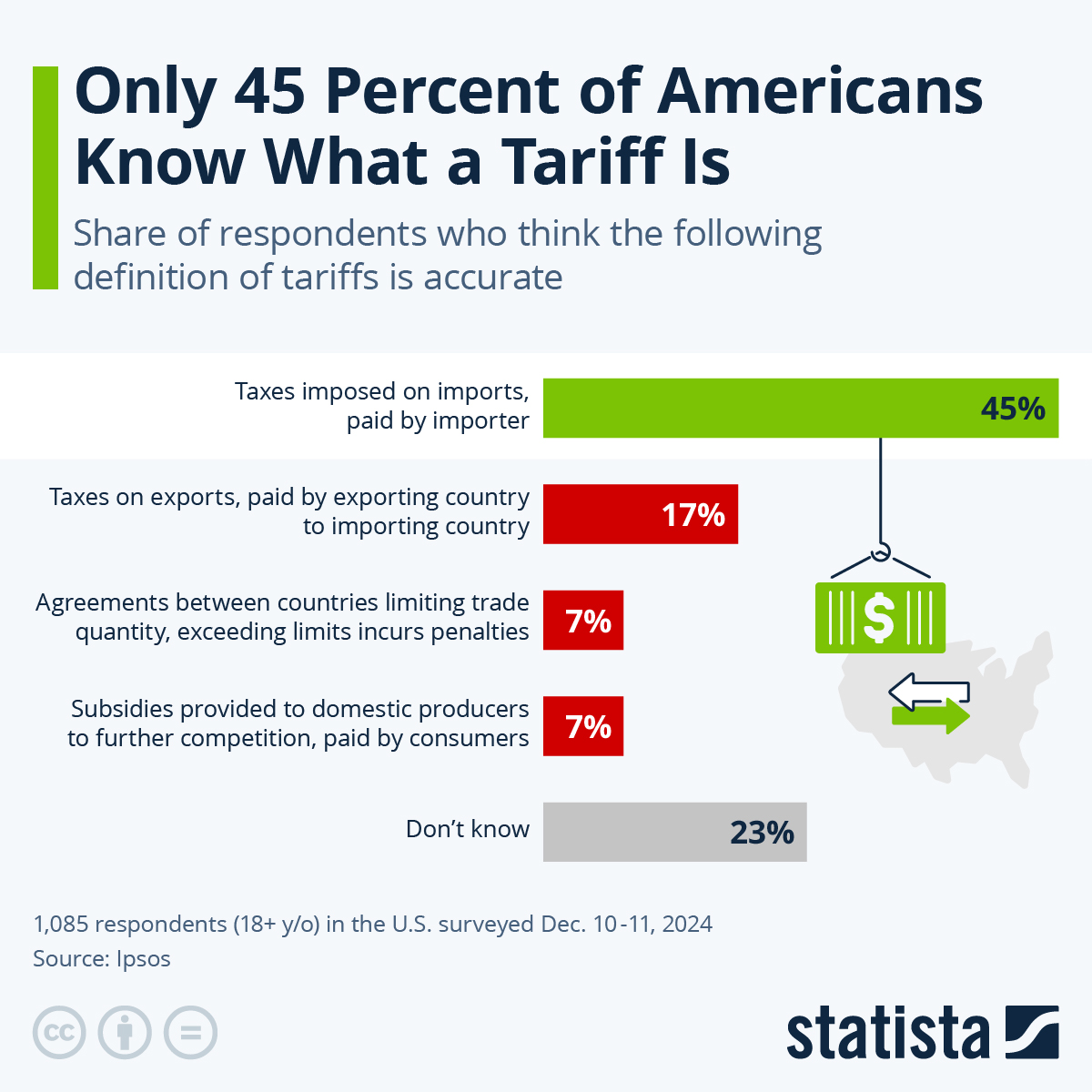
2 – I also believe in our attempts to restore the strength of American manufacturing and Made in America pride. Somehow we became a service nation and exported our capabilities because the captains of industry wanted higher profits. Now, Trump wants to punish the world for accepting what we gave away by imposing tariffs on what we buy back. MAGA seems to support that idea. Since Trump took office in 2025, the government has collected $362 Billion in Customs Duties. MAGA seems to ignore who pays that bill no matter how many reels and posts trying to make the point clear circulate.
The American companies who import the products subject to a tariff pay the fee to the CBP – the Customs and Border Protection agency. People, we live in a supply and demand economy. If a company can’t buy an American made product to supply the demand, they will import it. If they have to pay the tariff, do you think they’re going to eat the cost of it? No, they will increase their price and pass it on to all of us. Your proof of concept should be obvious when you go shopping. So here is where we stand: first the government collected the $362 Billion dollars into their checking account; second, the importers who paid those fees are charging us for the policy; three, because of the Supreme Court ruling in February, the government has paid back around $115 Billion dollars of the $166 Billion they were ordered to pay to the importers on record – companies like Walmart, Apple, and Amazon. I ask you, have you seen significant reductions when you go shopping at Walmart? Has the price of your new Apple iPhone dropped a bunch? MAGA, wake up.
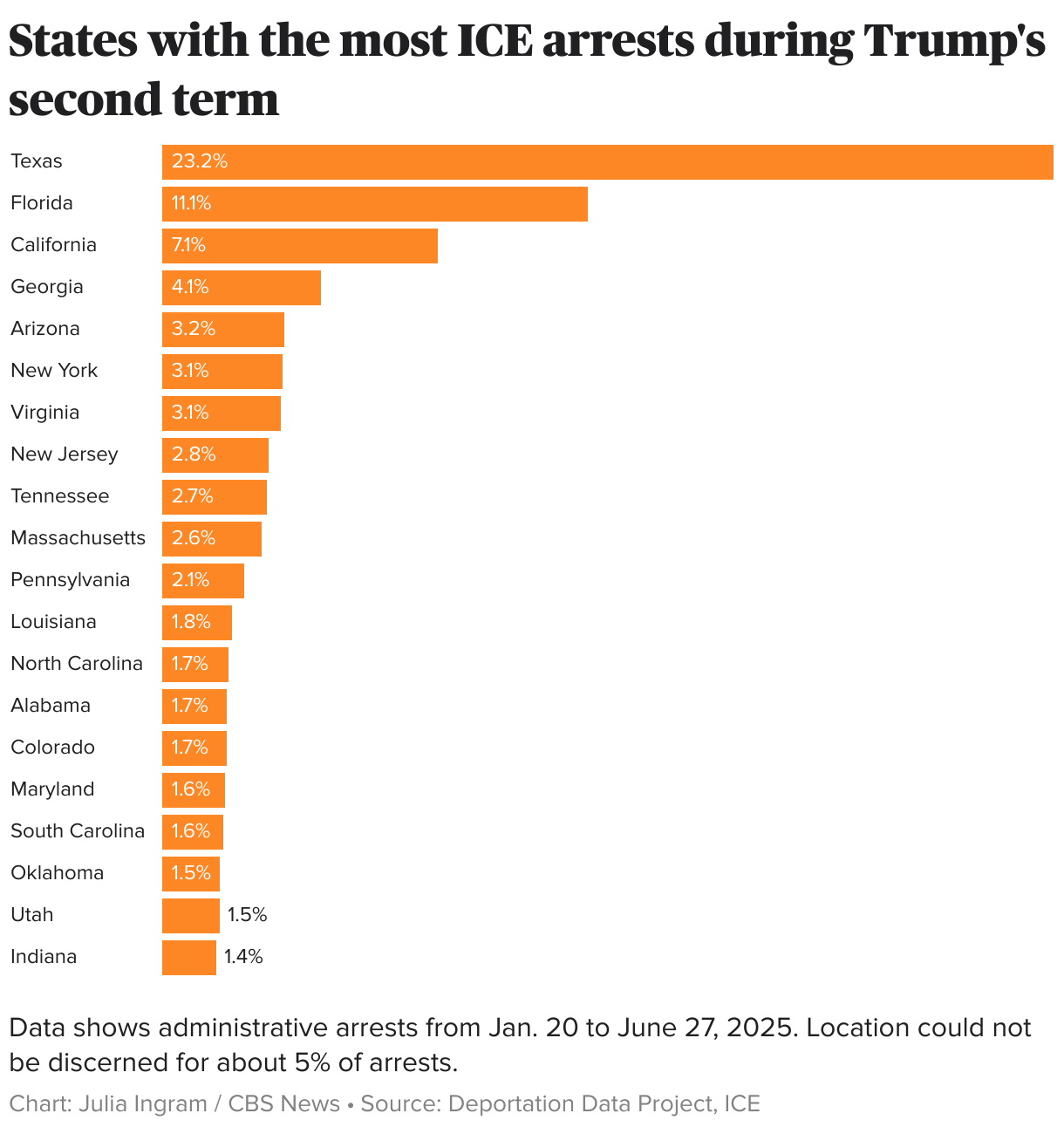
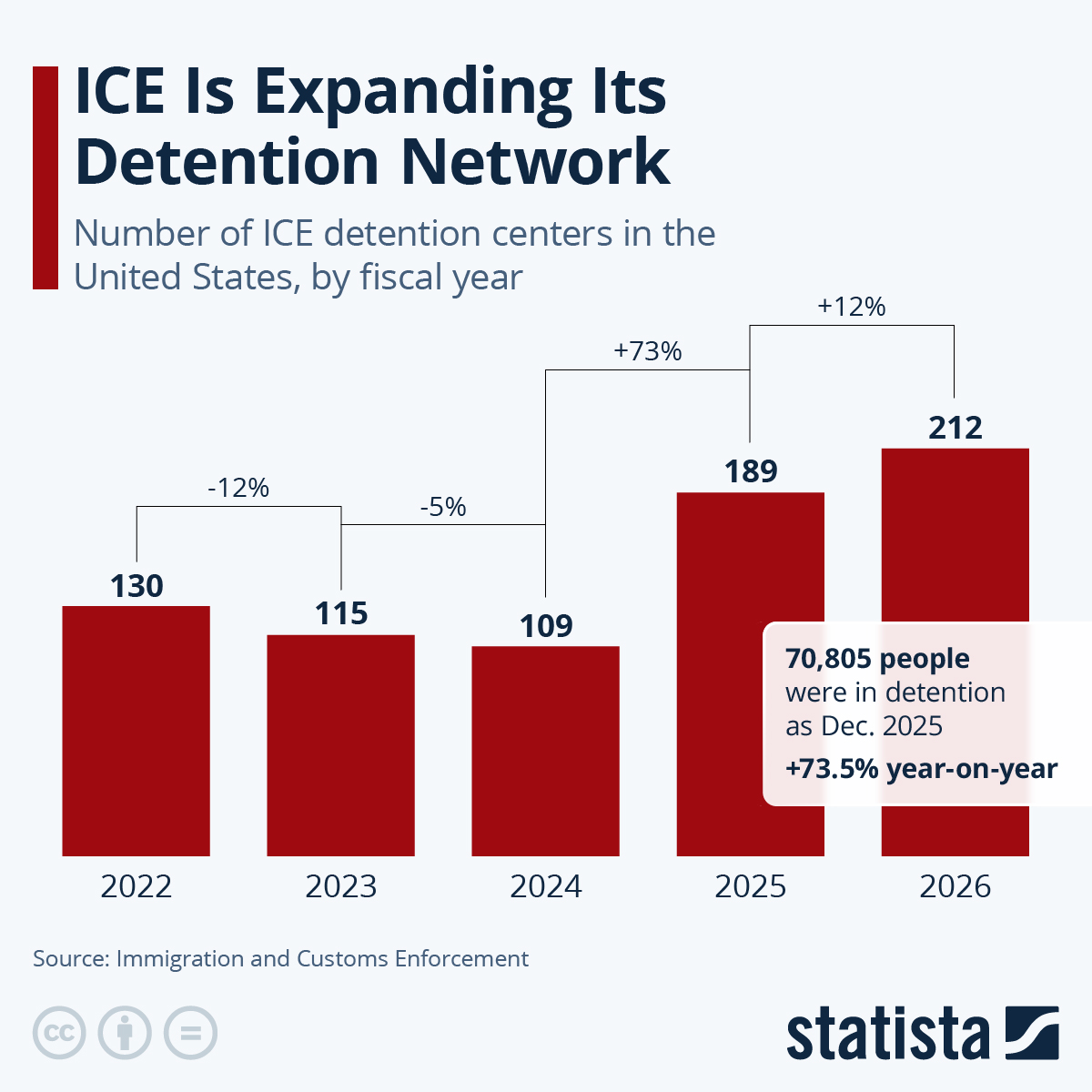
3 – Immigration and deportation. This is the most egregious government program endorsed by MAGA. First, when you give a huge number of people a badge and a gun, you wind up with the kind of goon squad now known as ICE. That’s currently 22,000 officers running amok and who have arrested in excess of 300,000 people while managing to murder a couple of them along the way. As of July, we were holding 65,765 people in detention of which 70.6% had no criminal record.
For a short time in my life, I supplemented my income by working as an armed courier on armored trucks. I witnessed firsthand how a large number of my fellow couriers were frustrated wannabe cops who thrilled at the idea they could proudly carry their gun and push out their chest to show off their badge. They would go into stores like 7-11 and brandish their credentials claiming they were “on-the-job” and expected free coffee “on-the-arm”. You think this same mentality is any different from those recruited to ICE? The Department of Homeland Security maintains they provide a significant amount of training including arrest techniques, defensive tactics, conflict management and de-escalation, firearms and marksmanship, proper use of force all over a period of 56 days with 28 days on-the-job training. By comparison, real police officers receive up to 6 months of academy training followed by up to 6 months of field training. And by the way, apparently, 74% of MAGA Republications are in favor of ICE wearing masks. MAGA..yeah, wake up.
4 – The return to traditional family values. In this regard, MAGA adherents who generally seem to have a lower level of education, are only capable of seeing issues in black and white. They somehow seem to believe the fairy tale of the Leave it to Beaver type style of family dynamics and pray for a return to those times. Truthfully, that was always an American myth despite how charming it was. Men were to lead the family as the breadwinner and the mother was to be a stay-at-home domestic servant. Women were to be submissive to the husband. Can you wonder where the “your body, my choice” entitlement came from? I hate to break it to you, but humans are far more complicated than that. It’s more than two genders, and not as simple as stating a human with a penis is a male and human without one is a female. There is an entire range of human psychology and emotion that span the difference.
MAGA takes offense at this. What the hell does it matter to you if someone falls onto the LGBTQ spectrum? They aren’t trying to take away your antiquated notion of what a family should be, they just want to live peacefully and happy with their own system of beliefs. Give is rest will you?
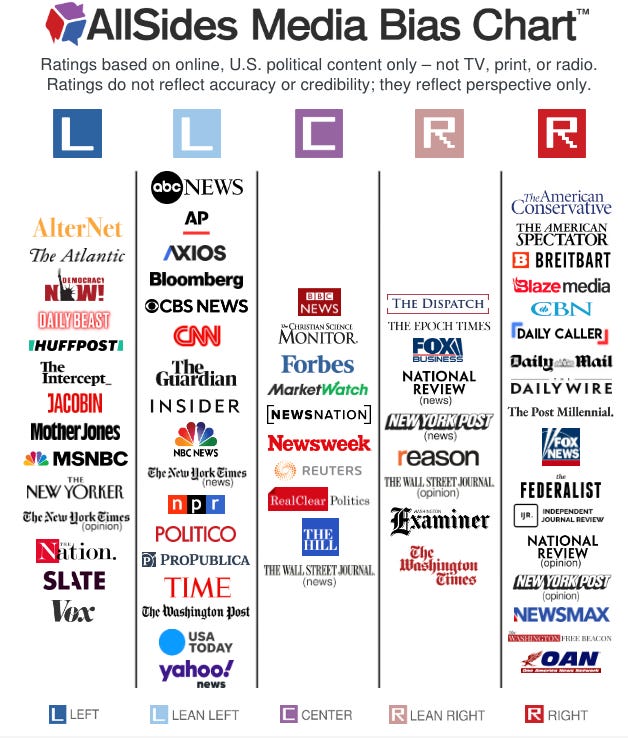
5 – MAGAs distrust of the media. How can you have faith in media sources when the President himself lies with every utterance that flows from his mouth and is then backed up by idiots like Mike Johnson, RFK Jr., Pete Hegseth, former Attorney General Pam Bondi, Stephen Miller, and lest we forget Donald Trump Jr.? The lesser educated and dedicated followers will hang on every word when Trump refers to something as fake news. The Trump administration has driven the media world to a point where telling the truth from the lies is increasingly impossible. What other President has actually sued media outlets because he didn’t like what was being reported. Trump has sued The New York Times, The BBC, The Wall Street Journal, CNN, ABC, and CBS. Just look at the repercussions at CBS thanks to Bari Weiss and her right-leaning anti-woke platform. Look at the devastation that occurred with 60 Minutes, the most revered news program of the past 58 years.
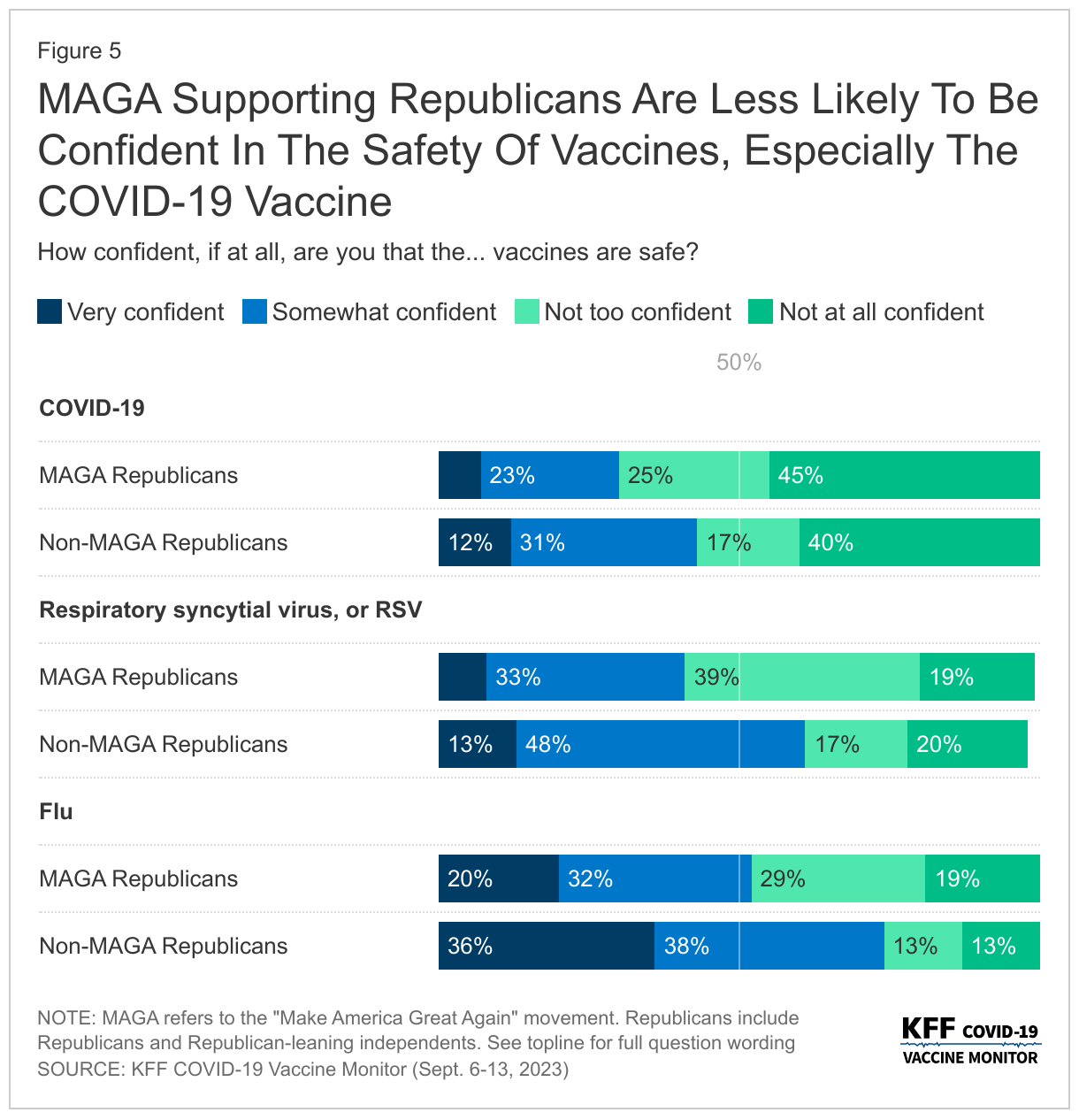
MAGA hates federal regulation. Remember how incensed they were over the mandate to wear a mask or get a vaccine during the peak of Covid? Oh, what the hell, only 1.24 Million Americans died. They opposed EPA limits on CO2 emissions and restrictions on fossil fuel extraction, because, you know, those resources will just last forever and won’t contribute to global warming which their supreme leader calls a hoax. They hate the notion of DEI, because why should someone other than a white, natural born American have to compete with any other diverse form of human? They are hateful toward those who are woke. And for those who randomly use the term “woke” – it simply means having a sensitivity to social and racial injustice. Yeah, that’s an awful thing.
And let’s not forget their disdain for normal politicians, men of integrity like Biden and Obama and John McCain, men who have no record of being impeached or having been indicted and found guilty of 34 felonies, who aren’t mentioned in the Epstein files 1,500 times, gone bankrupt six times, or who love to grab women by the…well you remember.
And finally, number 6
6 – Their aversion to anything which might threaten their sense of American Nationalism, the foundation of which stands on both Civic Nationalism and Cultural and Racial Nationalism. While traditional Civic Nationalism calls for the values of freedom, equality, and individual rights, the Trump era has warped this into a form of neo-Civil Nationalism by leaning far to the right in espousing an anti-pluralist society. As for Cultural Nationalism, it’s clear that MAGA is so for deportation of immigrants because it compromises their belief that the common cultural heritage should be defined as ones which stem from the Western European colonization of America and not from the infusion of culture from Muslim, Mexican, Central, or South American countries. Just look at the uproar over politicians like Rashida Tlaib, Ilhan Omar, Abdul El-Sayed, and Zohran Mamdani. It doesn’t matter to them if they are beyond capable of doing spectacular work in service of their constituents, they threaten their idea of Cultural Nationalism because before you know it we’ll all be living under Sharia law. MAGA, get a frigging grip!
When Hillary Clinton used the phrase “basket of deplorables” in her 2016 run for the presidency, the election in which she won the popular vote, there were two groups: one included the Trump supporters who felt let down by the government in the past and wanted a change, and the other was the group of “racist, sexist, homophobic, xenophobic, or Islamophobic” people – essentially the core group of MAGA. People took offense at that statement and she apologized to the first group for having included them in the term, but guess what, her description of the other half was dead-on accurate and far more polite than they deserved then or deserve now.
I told you I was going to piss some people off today.
Give me a follow by clicking the blue button at the top right under the banner…
As we 8647 either by impeachment (my biggest political hope) or by the 2028 Presidential Election (assuming Trumpy doesn’t completely upend the U.S. Constitution by then) we will be looking to put our 48th President into office.
We need to ask questions. We need to start focusing on those and framing what 2029 will look like. Unless we somehow end up with a Republican version of Trump 2.0, who ever takes the White House has a list of chores I’m not sure many new Presidents have had to face. Lincoln, Truman, Johnson…all took office facing incredible challenges: the divide which led to the Civil War, helping bring WWII to an end, and the continuing escalation of the Vietnam war. But in all, except Lincoln’s situation, the fabric of our nation was largely intact.
Number 48 will have their work cut out to rebuild and reshape the devastation caused by Trump and his administration both domestically and on the world stage.
First, let’s have a quick look at some of what I’m talking about.
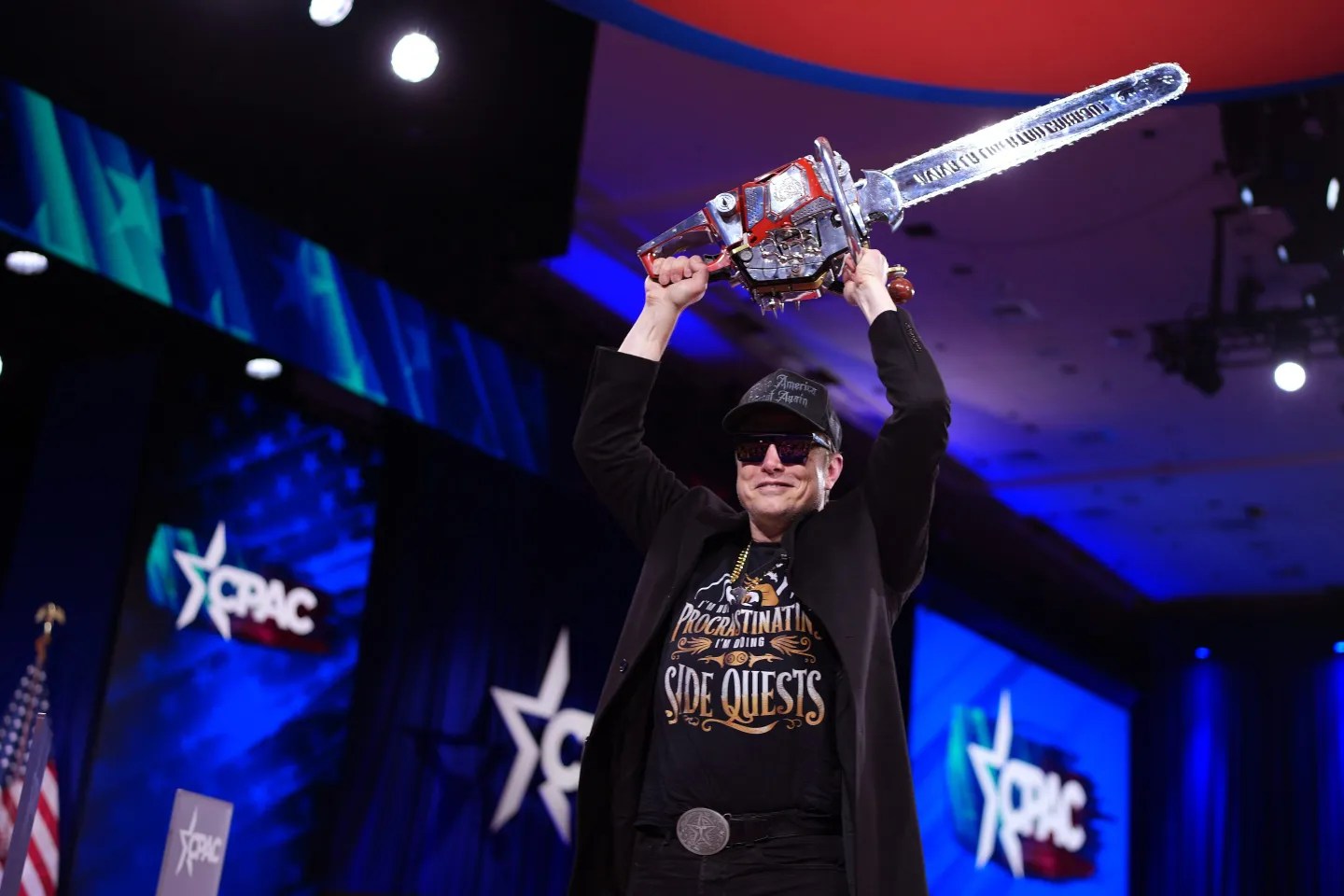
The butchery and botched surgery on the part of Elon Musk and DOGE. The severe program changes made to the Department of Education Research, the loss of Justice Department Grants, Medical and Health Research, USAID, the Department of Health and Human Services, the Social Security Administration, The Department of Education, and the General Services Administration…just to name a few.
Then there was the wholesale bloodletting of between 260,000 and 350,000 federal employees either through layoffs, firings, early retirement, and hiring freezes according to the Federal News Network and govexec.com. Musk’s target was $2 trillion in savings but according to the DOGE website, it’s achieved $215 billion across 22 agencies. There were 13,440 contract terminations, 15,887 grant terminations, and 264 lease terminations.
The number one agency with the most change is the Department of Health and Human Services led by Robert F. Kennedy, Jr. (it hurts just typing or saying his name). HHS also covers the CDC, the FDA, and the NIH. I can’t think of another federal agency so directly tied to the literal health of all Americans. Because of RFK’s propaganda regarding vaccines, the coverage rate of childhood MMR has dropped to 92.5% which is less than the 95% rate which would mostly prevent widespread transmission of the disease. That gap might not sound like a lot, but it translates to about 550,000 American children. As proof, measles cases have risen to a level not seen in decades and will likely return to endemic proportions. Other potential risks associated with the program changes at HHS include Whooping Cough, rotavirus, chickenpox, and bacterial infections leading to pneumonia or meningitis.
To round out just the top 5 agency cuts (or what they call savings) are the General Services Administration, the Social Security Administration, the Office of Personnel Management, and the Small Business Administration. You can go to doge.gov/savings to see the other 17 on the list.
Oh, then lets look at what will hopefully be renamed – some back to what was.
The Gulf of Mexico, Lake Ontario, the Kennedy Center, the Unites States Institute of Peace, the new Naval Trump-class warships, Southern Blvd. near Mar-a-Lago, the bridge on I-40 in Dandridge, Tennessee, Palm Beach International Airport, the planned aircraft carrier CVN-81 to be named the USS Donald J Trump, and the Boeing F-47 AirForce fighter jet, at least 4 possible new species of moth, sea urchins, and an amphibian bearing the moniker “donaldtrumpi”, as in Neopalpa donaldtrumpi – a micro-moth. Lastly, let’s not forget the military installations that had been renamed away from a list of Confederate generals and then put back again.
For number 48 – will there still be the tariffs that are accelerating the rise in daily costs for goods and services, the Iran War causing inflated gas prices, the Trump administrations disdain for NATO, and the disrespect shown toward our northern and southern neighbors? And what about the restoration of unbiased journalism, the tampering with election procedures, protections for LGBTQ and same-sex marriage, unrestricted access to abortion procedures, and the return of Roe v Wade? Not to mention the simple disregard for the Constitution and running around waging war whenever and wherever he likes.
How will number 48 restore trust with our allies and trading partners? What happens if the primary global currency shifts from the U.S. Dollar to the Chinese Yuan? I’ll tell you, interest rates would rise, we’d experience a loss of political power and the financial leverage that comes with it, and our ability to carry such a high amount of debt would be eliminated as the demand for dollars disappears. Our role as the greatest country of the free world would fade to dark.
As Americans, we need to think about these things…starting NOW. We need to look at candidates who have the strength of character, the intelligence, and the intestinal fortitude to tackle the longest list of problems and issues that have ever faced an incoming administration. I am truly hopeful that the mid-term elections this November marks a turn toward enlightenment and begins to reset the stage for restoring American greatness again. MAGA is the lie that never ends, a pestilence that needs its own vaccine.
Give me a follow by clicking the blue button at the top right under the banner…